
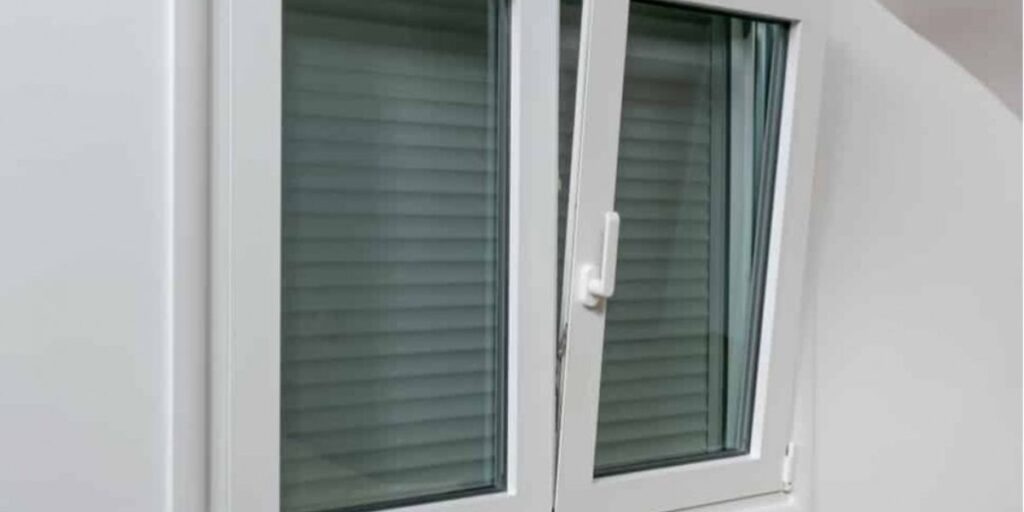
Replacing your windows is a big decision, and picking the wrong style can lead to frustration for years to come. The awning versus casement windows debate comes up because both styles look similar at first glance. However, the way they contribute to your home’s comfort and energy efficiency is quite different.
In this guide, Jamb Up Installations LLC compares awning and casement windows to help you make the right call for your space. You can also learn more about your options by reaching out to us for personalized window installation guidance in the Loganville, GA, area.
What Are the Differences Between Awning and Casement Windows?
Both window types are crank-operated and hinged to swing outward, but that’s roughly where the similarities end. The technical differences come down to hinge placement and window shape. Where these types of windows work best in a home is also different.
Casement windows are hinged on one side and swing outward like a door. They’re typically taller than they are wide and work well in spaces where you want a large, unobstructed view and full ventilation.
Awning windows, on the other hand, are hinged at the top and open from the bottom, creating a canopy-like effect when open. They tend to be wider than they are tall and suit spots where height is limited, like above a kitchen sink or along a basement wall. Deciding between these two styles is a crucial step if you have already determined it is time to replace windows in your home.
How Each Style Handles Ventilation and Airflow
What is the best window style for ventilation and airflow? Casement windows can be opened completely, allowing the full frame to channel air into your home. These fixtures are especially effective at catching side breezes when placed strategically on walls that face the prevailing winds.
Awning windows provide a more modest amount of airflow since they only open partway. However, they have a distinct advantage: Their top-hinged design acts as a shield over the opening, so you can leave them cracked during a light rain without worrying about water getting in. This style is a practical option in Georgia’s unpredictable weather.
Where Each Window Type Works Best
Placement is also crucial in the awning versus casement windows comparison. The first option shines in living rooms and anywhere you want a full view with maximum air circulation. They swing outward on a single side hinge, so casement windows are not a great fit for spots near walkways or tight side yards.
Awning windows are ideal for above kitchen countertops or in bathrooms where privacy matters. The horizontal orientation and top hinge make it easy to operate awning windows, even in tight spaces. Both awning and casement styles deliver maximum performance when you pair them with the right window material for your local climate.
The Main Benefits of Awning and Casement Windows
Both styles offer a strong set of features that set them apart from standard double-hung or sliding windows, including:
- Energy efficiency: Both types form a tight seal when closed. With pressure creating a firm seal against the frame, there’s minimal air leakage, which can help reduce your energy bills.
- Security: The single-point crank hardware on both styles makes them harder to force open from the outside compared to windows that simply slide.
- Unobstructed glass: Neither style uses a horizontal rail running across the middle, which means a cleaner view than you might have through double-hung windows.
- Ease of use: The crank mechanism used in each style also makes them simple to open and close.
Awning vs. Casement: Which One Should You Choose?
So how do you actually choose between awning and casement windows? A good rule of thumb is to go with casement windows for larger wall openings and primary living spaces where you want unrestricted ventilation. Choose awning windows for narrower horizontal openings and in bathrooms and kitchens, especially if you want the option to let in air during rainy weather.
One difference worth noting is cost. Awning windows generally run slightly higher in price than comparable casement windows, largely because of the double-locking mechanisms built into the design. Pairing a wide casement window with a smaller awning window above or below it is a popular combination that gives you flexibility without sacrificing aesthetics. If you are upgrading your home’s total curb appeal, you may also find yourself balancing the pros and cons of repairing your door versus replacing it completely.
Trust Jamb Up Installations LLC for Your Window Needs in Loganville, GA
Navigating the awning versus casement windows decision is easier when you have experienced professionals in your corner. With Jamb Up Installations LLC, you can start choosing windows with a team that knows the options inside and out.
Give Jamb Up Installations LLC a call at (770) 383-1236 to discuss which windows make the most sense for your Loganville home. We carry trusted brands to ensure that you get a quality product that lasts.
